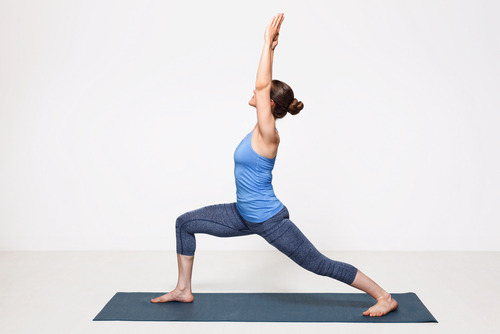
The warrior sequence involves some of the most well-known yoga poses. Warrior 1, 2, and 3 involve yogis standing with their legs wide apart, positioned as though they’re about to head into battle. With your knees bent and shoulders elevated, the warrior poses help increase balance and strengthen knee joints. Warrior 3 involves forming a 90º angle with your legs by lifting one off the ground. This will further strengthen the knee that remains in support, while also benefiting the ankle joint.
Plank Pose
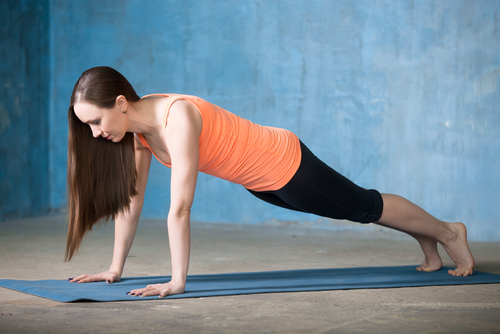
This classic abdominal exercise is also ideal for joint health. Lying on your stomach, place your lower arms on the mat and bend your elbows 90º. Lift your body off the mat so your weight is on your lower arms and the toes of your feet. Try to hold your body as flat as possible, which often means lowering your lower back and buttocks. The plank pose is an excellent all-around strengthener, and is especially beneficial for your wrists, arms, and legs. Try to do a number of sets that are held for 30 seconds.
Bound Angle Pose
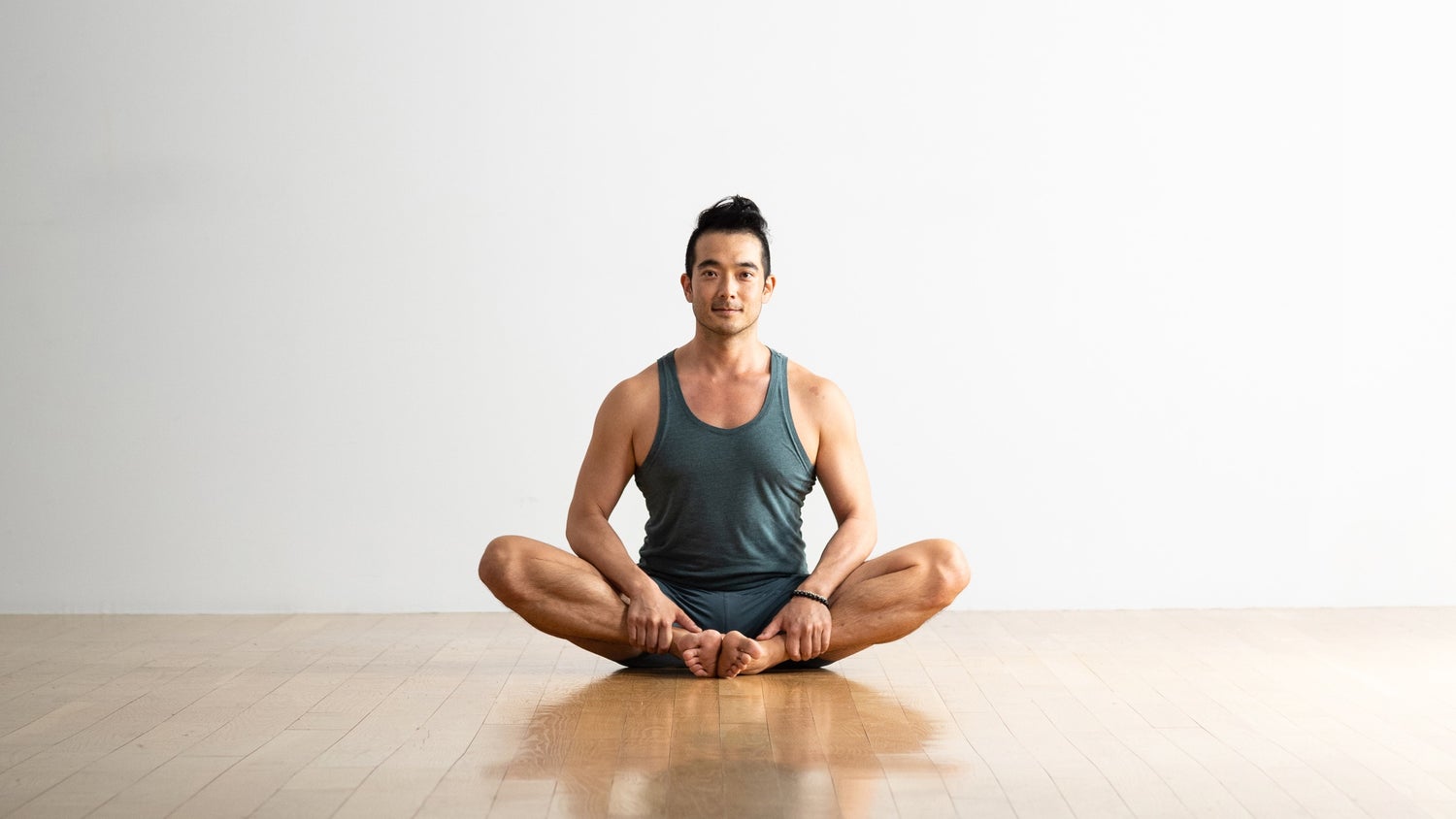
Baddha Konasana (Bound Angle Pose) is a go-to pose for opening the hips and stretching the inner thigh muscles. This seemingly simple pose also strengthens your core and improves your posture.
Also known as Cobbler’s Pose, this asana activates the muscles in your back as you lengthen and stretch through your spine. A strong and stable core is also key to this posture: “When you sit on the floor in Baddha Konasana, your core works to keep you from rounding the back and dropping the chest,” says yoga teacher Annie Carpenter, creator of SmartFLOW Yoga.
While Bound Angle Pose may seem simple, if you stay in it for an extended period of time, your back muscles will likely tire, making it difficult to keep your chest upright, says Carpenter. Your hip, thigh, and hamstring muscles may also feel fatigued. If that happens, ease out of the pose. “Exploring your edges should not create pain,” she says. “It should help you move toward an amount of stretch or muscular effort that’s sustainable for you.”
COBRA
Lay face down with tops of the feet resting on the floor. Palms are flat on the floor alongside the chest, elbows in close to the body. For those unable to place their palms on the floor, you can use fists or elbows. Head, neck and chest are lifted off the floor, gaze forward, keeping the feet and legs down. Upper back muscles should be engaged and arms should not be used to execute the movement. You can test this by trying to lift hands from the floor and maintain the pose. For more of a challenge, interlace fingers behind back to draw shoulder blades together (or hold opposite wrist).
Tricep Dips
Tricep dips are a bodyweight exercise that targets the muscles in the back of the arms. Sit on the edge of a sturdy chair or bench with your hands gripping the edge. Slide your hips off the chair, bend your elbows, and lower your body toward the ground. Push back up to the starting position. Tricep dips are a great way to tone and strengthen the triceps without the need for equipment.
Russian Twists
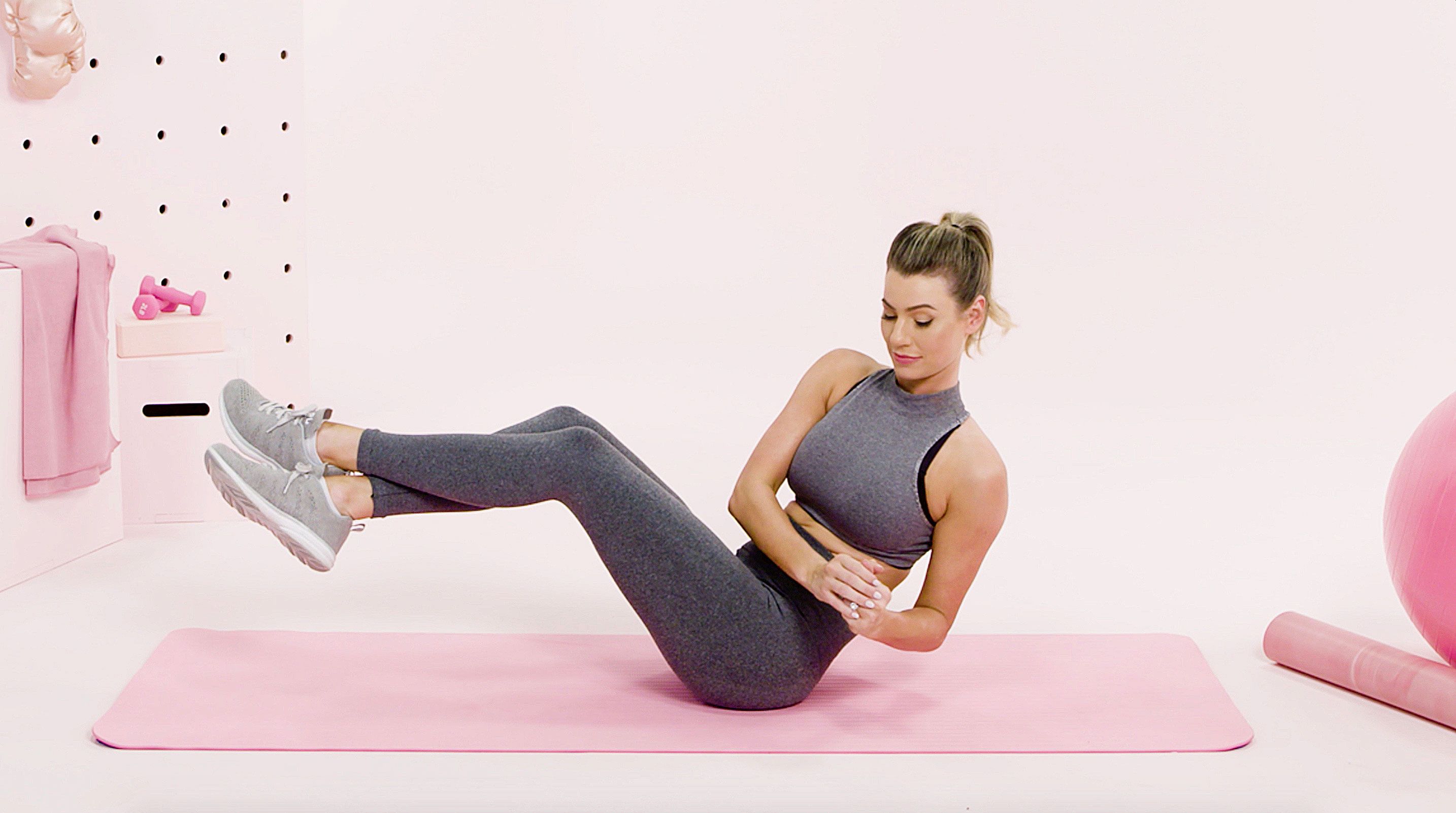
Russian twists are an effective exercise for targeting the obliques and improving rotational stability. Sit on the floor with your knees bent and lean back slightly. Hold your hands together in front of you or use a weight for added resistance. Rotate your torso to one side, bringing your hands or the weight toward the floor beside you, then twist to the other side. The twisting motion engages the entire core.
Side Plank
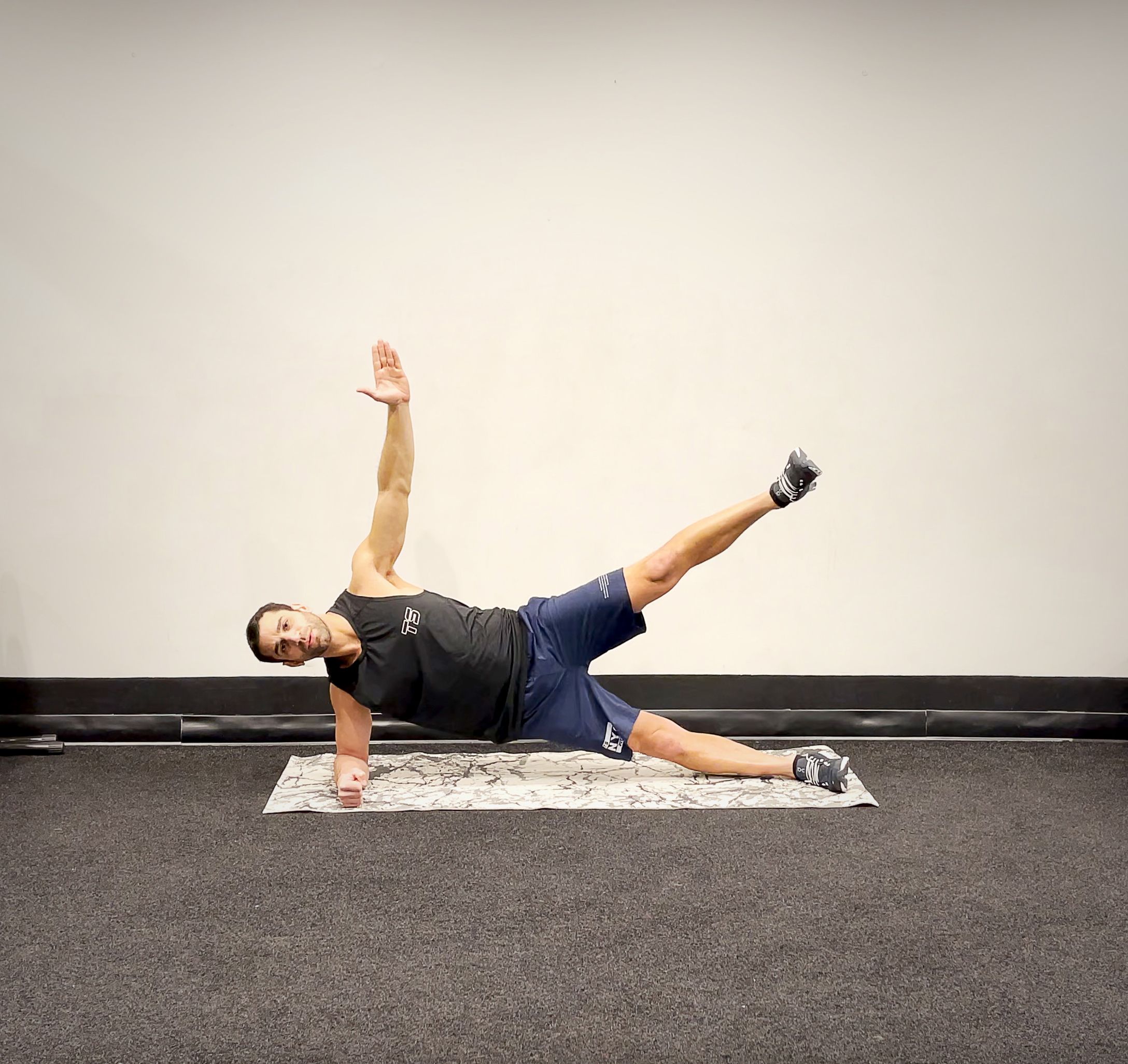
The side plank is a variation of the traditional plank that specifically targets the muscles on the sides of the torso. Lie on your side with your elbow directly beneath your shoulder and lift your hips, creating a straight line from head to heels. Engage your core to maintain stability. Hold the position for as long as you can, then switch to the other side. Side planks help strengthen the obliques and improve lateral stability.
Deadlift
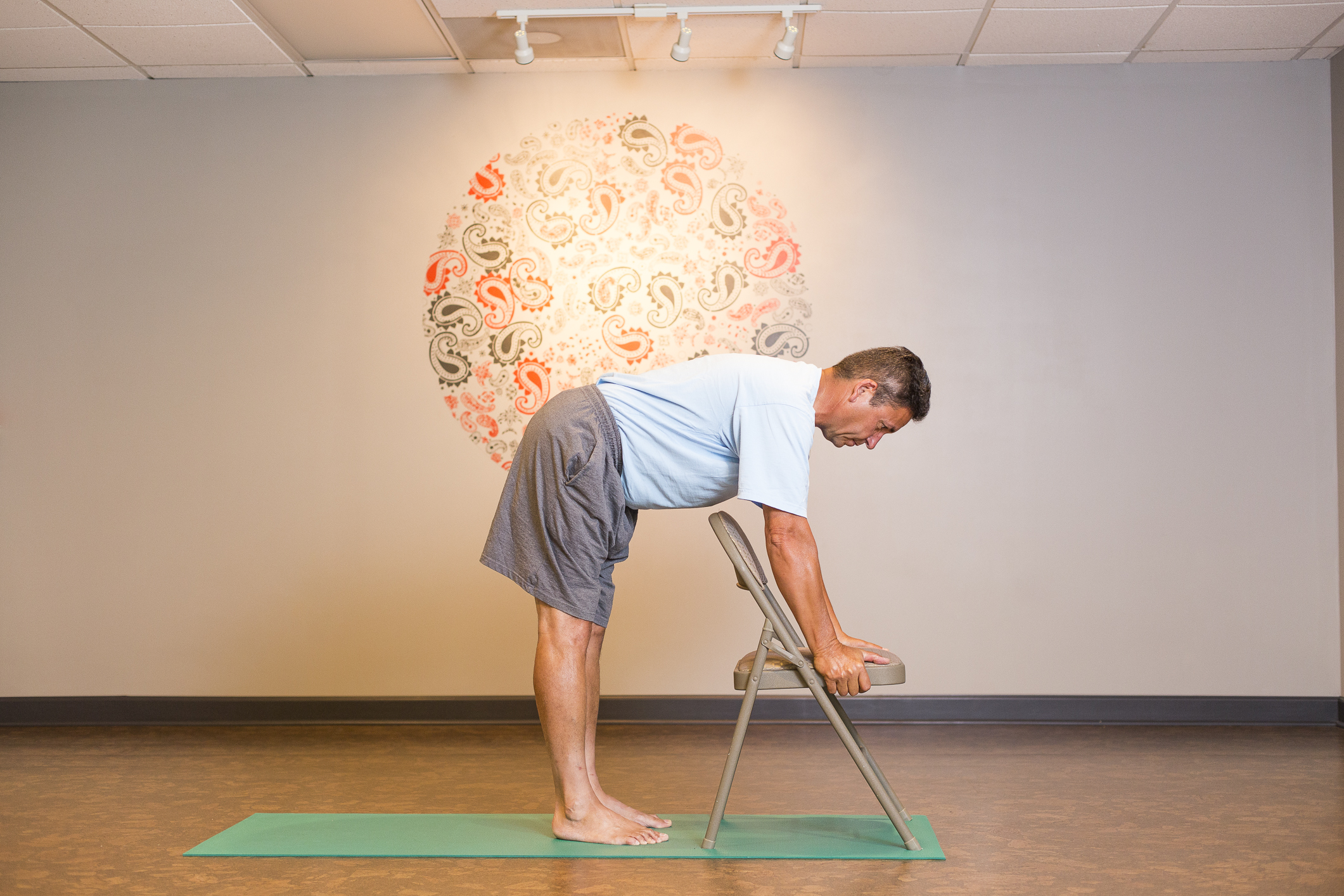
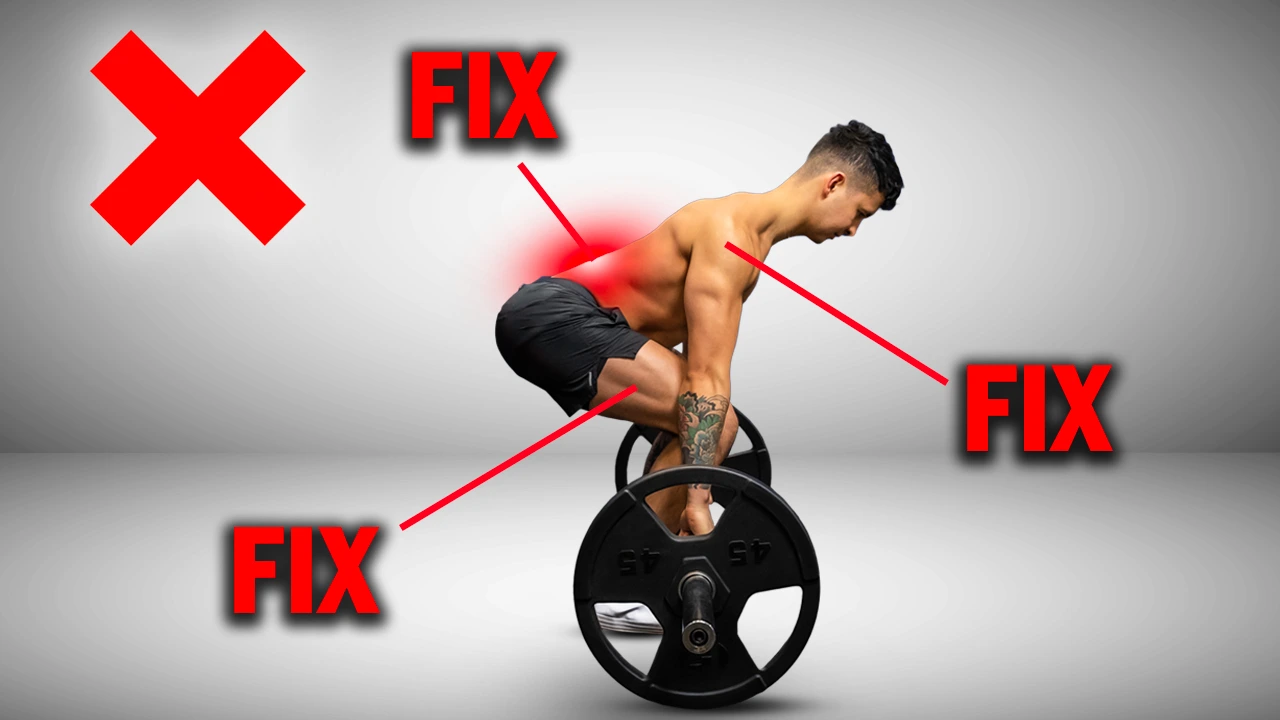
The deadlift is a compound exercise that targets the posterior chain, including the hamstrings, glutes, and lower back. Stand with your feet hip-width apart, holding a barbell or dumbbells in front of you. Hinge at your hips, keeping your back straight, and lower the weights towards the ground. Engage your core and push through your heels to return to the starting position. Deadlifts are effective for building overall strength and improving posture.
Squat
The squat is a fundamental lower-body exercise. To perform a squat, stand with your feet shoulder-width apart, and lower your hips back and down as if you're sitting into an imaginary chair. Keep your back straight and chest up, and push through your heels to return to the starting position. Squats engage your quadriceps, hamstrings, and glutes, making them an excellent compound movement for building lower-body strength.