Neutreance For Aerobic Exercise
Hydration:
Adequate hydration is crucial for optimal exercise performance.
Drink water consistently throughout the day, and consider the type and intensity of exercise when determining fluid needs.
For longer or intense workouts, include beverages with electrolytes to replace lost salts.
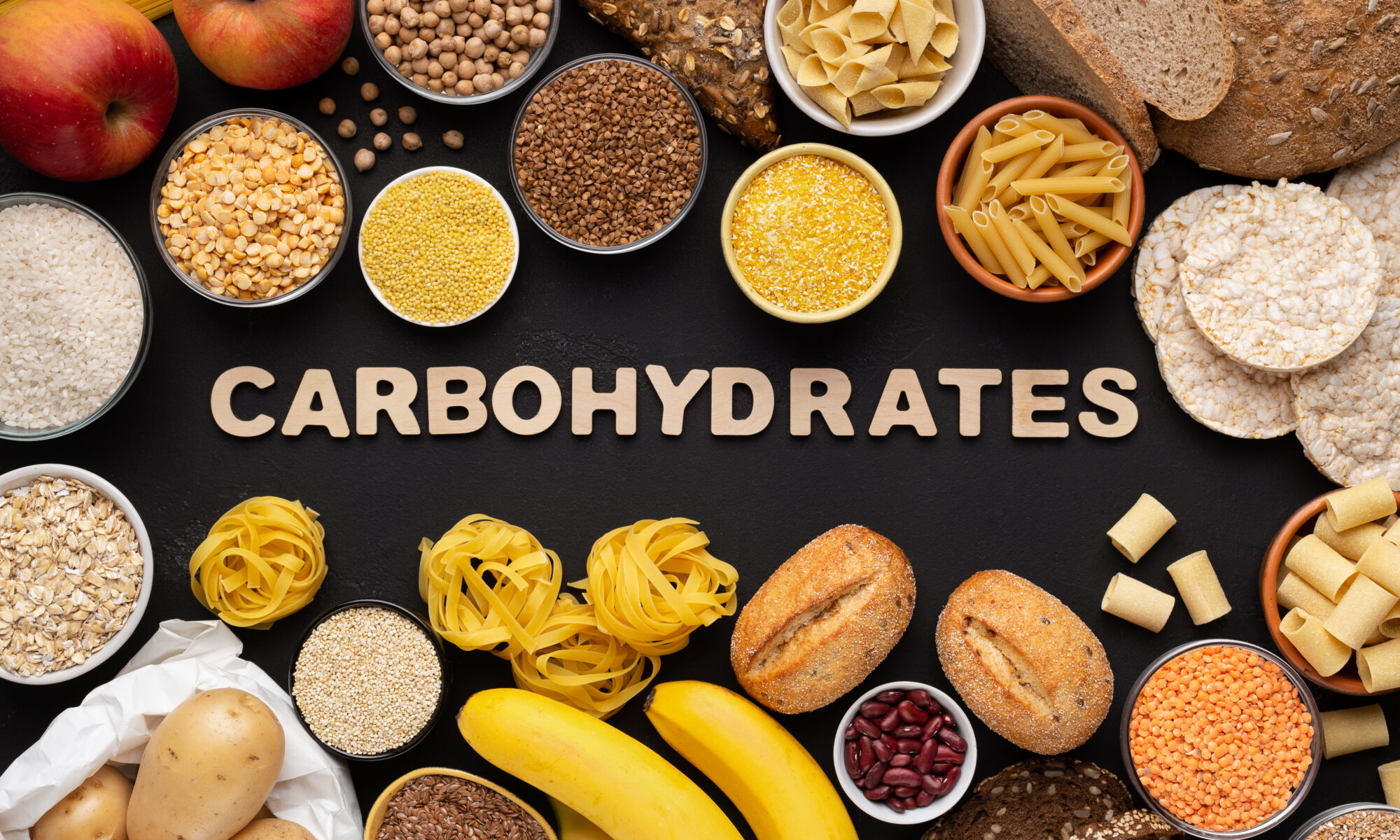
Carbohydrates:
Carbohydrates are the primary fuel for energy during exercise.
Consume complex carbohydrates like whole grains, fruits, and vegetables for sustained energy.
Before longer workouts, include a meal or snack rich in carbohydrates.
Protein:
Protein is essential for muscle repair and growth, especially after resistance training.
Include a source of protein in each meal, such as lean meats, dairy, eggs, legumes, or plant-based protein sources.
Consuming protein within 30 minutes to an hour after exercise can support muscle recovery.
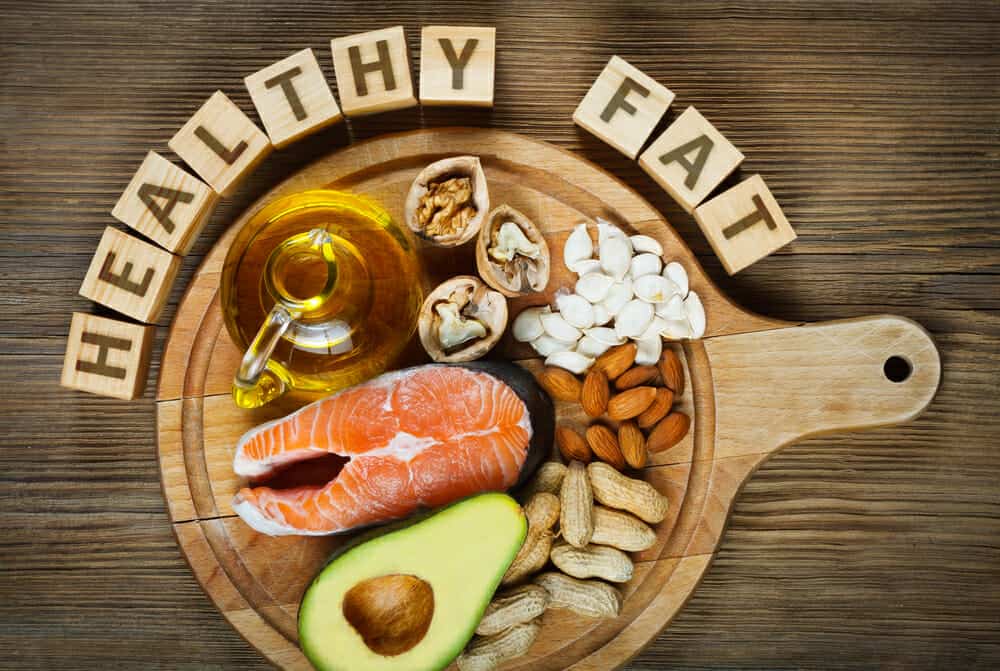
Fats:
Healthy fats provide a source of long-lasting energy.
Include sources of healthy fats in your diet, such as avocados, nuts, seeds, and olive oil.
Balancing the intake of omega-3 and omega-6 fatty acids is important for overall health.
Timing of Meals:
Eat a balanced meal containing carbohydrates, protein, and fats 2-3 hours before exercise.
Have a smaller snack, focusing on carbohydrates and a moderate amount of protein, 30-60 minutes before a workout.
After exercise, consume a meal or snack with a mix of carbohydrates and protein to replenish glycogen stores and aid muscle recovery.
Post-Workout Nutrition:
Optimal recovery nutrition includes a combination of carbohydrates and protein.
Carbohydrates replenish glycogen stores, and protein supports muscle repair.
Chocolate milk, a fruit smoothie with yogurt, or a protein-rich snack are good post-workout options.
Individualized Needs:
Adjust your nutrition based on factors like the type, intensity, and duration of exercise, as well as individual goals and preferences.
Consider factors such as age, sex, weight, and overall health when determining nutritional needs.
Electrolytes:
For activities lasting longer than an hour, consider replenishing electrolytes lost through sweat with sports drinks or electrolyte supplements.
Sodium, potassium, calcium, and magnesium are important electrolytes to consider.
Supplements:
In some cases, supplements may be beneficial, but it's generally best to obtain nutrients from whole foods.
Athletes might consider supplements like protein powder, creatine, or beta-alanine, but it's essential to consult with a healthcare professional or dietitian before incorporating them.
Rest and Recovery:
Adequate sleep and proper nutrition are vital for recovery.
Consider incorporating anti-inflammatory foods and nutrients like omega-3 fatty acids to support recovery.